
Home Remedies for Stiff Neck Pain
Poor posture, an improper pillow or mattress, unhealthy eating habits, stress, or improper sleep positions can all contribute to neck pain. Neck pain is so painful that nobody can imagine it without experiencing it. But many cases are manageable at home. Cold therapy, heat therapy, gentle stretches, nutritious food, the right pillow, mattress, and bed, as well as walking and posture correction, can both offer significant relief. In this blog, we’ll explain the user experience of home remedies for stiff neck pain.
J.D. Sutton, a 41-year-old banker, attributes his health problems to working long hours at his desk. Every morning, he begins his day with peace and happiness surrounded by his family and children. One morning, he woke up with unbearable neck pain and stiffness. Life seemed to him like hell due to neck pain and stiffness. Due to neck pain, he could not sleep or work properly. He discussed with me how I solved my earlier neck sores.
I advised him to start with home remedies, including cold therapy, warm compresses, adjusting his pillow, mattress, and bed, and gently stretching. He felt better after a week. Neck pain can happen suddenly to millions of people due to poor posture, stress, sleep alignment problems, or other causes. You can usually find relief without medication, testing, or a doctor’s visit.
Best Home Remedies to Relieve Stiff Neck Pain
If you wake up with severe neck pain, you can try some home remedies without seeing a doctor first. Most of the time, if you don’t have a serious problem, you can alleviate neck pain with these remedies.
Cold Therapy (first 24–48 hours if pain or neck stiffness is recent)
Cold therapy reduces inflammation and pain. This therapy is your first line of defence against neck pain, injuries, muscle strains, and postsurgical swelling.
The Cold Therapy Process
Insert some ice cubes into a towel and wrap it around the neck, use frozen water bottles, or apply a cold gel pack to the neck. In an emergency, you can use any of the above cold therapy options to prevent neck pain. But a gel ice pack is my preferred choice for its benefits and ease of use. Every neck pain patient should keep a gel ice pack at home to treat their pain initially.
- For 20 minutes every 1–2 hours, apply to the sore area.
-
Never apply ice directly to the neck; instead, cover it with a thin towel or cloth to prevent a cold, allergies, or a cough.
- The patient with neck stiffness should not use cold therapy, as it can tighten the muscles and increase pain.
- Slowly move the ice pack or bottle to cover the entire injured area, and do not keep it in one spot for too long.
Heat Therapy (After inflammation subsides)
Heat therapy should be started 48 hours after cold therapy.
Purpose
Your neck muscles will relax, and blood flow will increase. It is best for recurring neck stiffness and swelling.
The Heat Therapy Process – The Complete Guide!
- Taking a warm shower may be your most effective solution.
- A heating pad, hot water bottle, hot water bag, or warm towel can be used to relieve neck pain.
-
Use heat treatment for 20 to 25 minutes as many times as possible in a day.
- Throughout the treatment, check the skin every 5 minutes to prevent burning.
- Diabetes patients should not use heat therapy without consulting a doctor.
- Based on my own and team members’ experiences, heat your whole back for 2-3 minutes with a medium-hot water bottle or pad after completing heat therapy on your painful neck area. It gives you more comfort, especially before sleeping.
Alertness
Avoid heating pads at bedtime. Since it doesn’t adjust to your pillow, heating pad, and neck, it can exacerbate neck pain. Be careful about how much hot water a hot pad or bottle can tolerate on your skin.
Self-Message for Neck Pain
- Relax your shoulders and sit comfortably.
- Gently press and knead your neck, shoulders, and upper back muscles with your fingertips.
- Use circular motions.
Walking or Moving for Neck Health
The misconception that lying down helps with neck pain is widespread. However, this can cause restricted blood circulation and damage to neck ligaments or bones. Walking is very difficult at times. So try moving. Regular walking will facilitate blood circulation in your body. When walking, use a comfortable neck pillow that keeps your neck straight. You should avoid jerking or sharp twisting movements, as these can exacerbate neck pain.
Nutritious Food for Neck
A strong neck is the natural result of eating nutritious foods throughout your life. To relieve neck pain, consider eating anti-inflammatory foods like leafy greens, nuts, fatty fish, olive oil, watermelon, cherries, blueberries, green tea, and ginger. Drinking enough water whenever possible can reduce or prevent neck pain. You should avoid heavily processed food.
Pain Killer
We do not support pain medications for the first few days. When you take painkillers at the beginning of neck pain, you will not understand your pain. You need to elaborate on your neck pain problem with your doctor. It is recommended that you use over-the-counter pain relievers, such as ibuprofen (Advil), naproxen (Aleve), or acetaminophen (Tylenol), if you cannot sleep due to neck pain.
Epsom Salt Baths for Neck Pain
Magnesium Sulphate relieves soreness and inflammation. Epsom salts contain magnesium sulphate. Mixing 2 cups of Epsom salt with warm water and soaking for 16-20 minutes, up to the neck, will reduce pain. It is a home remedy that promotes relaxation and enhances circulation. Epsom salt can cause serious side effects for individuals with itchy skin, allergic reactions such as hives or rashes, or skin infections. For skin safety, individuals with sensitive skin should avoid using Epsom salt.
Lifestyle Changes to Prevent Neck Pain
Improving Ergonomics at Work and Home
Sit at your computer or laptop with the screen positioned at eye level for optimal ergonomics.
Ensure your feet are on the floor as you sit in a chair at a height that suits your physical stature. Confirm that both hands are at a 90-degree angle while typing or scrolling with your mouse. After an hour sitting at a desk, try moving for 10 minutes. Your shoulders and hands must move as you walk.
Choosing the Right Pillow, Mattress & Bed
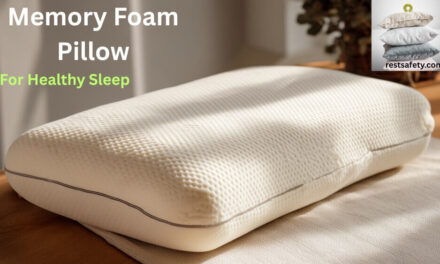
Your sleep setup can be comfortable or strain your neck. Use a medium-firm mattress that maintains spine alignment during sleep. Choose a cervical or memory foam pillow that conforms to your neck’s natural curve for comfortable sleep. Avoid overly soft or tall pillows that distort your neck posture. You must know your bed’s condition, height & width. It is possible to experience neck pain after sleeping on an old or broken bed.
Move your Neck
For best results, perform the movements slowly at first and consistently. You may feel severe pain when turning your neck. Sometimes it becomes almost impossible to move the right and left sides, but in this case, you should not despair. Try to move slowly. You will find it very painful at first, but you will succeed in the long run.
When Home Remedies for Stiff Neck Aren’t Enough
For a lifetime of pain-free neck life, you need healthy lifestyle practices. Simple neck pain problems generally get better within 4 to 5 days with home remedies treatment. After 5 days of home remedies, if your neck condition does not improve or neck pain worsens day by day, you must consult an Orthopedic Doctor or Chiropractor. He will be able to determine the actual cause of neck pain through a review
Symptoms not to Ignore
While most neck pain is mild and resolves with home care, certain symptoms require medical attention:
- Pain radiating from the arms or legs.
- The limbs may be numb or weak.
- Inability to move the head or persistent stiffness.
- Headaches or dizziness of extreme severity.
- Unrelieved pain that cannot be relieved by home remedies or over-the-counter medications.
FAQs
What causes a stiff neck?
The most common causes of a stiff neck are muscle strain, poor posture, sleeping in an uncomfortable position, tension, or prolonged computer work. Stress and sudden movement can also trigger it.
Is neck pain treatment possible at home?
Yes, most neck pain can be managed at home with remedies such as heat or cold therapy, gentle stretching, massage, and improved posture.
Do you think heat or cold therapy relieves neck pain?
The first 24–48 hours after neck pain onset are ideal for cold therapy. After that, heat therapy (such as a warm compress or a hot shower) relaxes tight muscles and improves blood flow.
What are the right neck stretches for relieving a stiff neck?
Gentle neck tilts, side-to-side rotations, and shoulder rolls ease muscle tension. It is always wise to stretch slowly and stop if you feel unbearable pain. After a few repetitions, try stretching again very slowly.
Final Words
In the end, patients with stiff neck pain can often eliminate this unexpected pain with simple home remedies. Regularly following the above guidelines can alleviate muscle soreness and reduce inflammation. When practiced consistently, these approaches will eliminate neck pain and lead to a lifetime of pain-free living. If your pain worsens day by day or you are experiencing symptoms such as numbness, fever, stiffness, or a headache, please consult a healthcare professional.